5 Expert Tips for Using Pain Medicine Responsibly at Home

Managing pain medicine at home calls for care and a few practical habits that protect both health and safety. Small routines can prevent mistakes, reduce risk of side effects, and keep medications out of the reach of children and visitors.
Trusted advice from clinicians and pharmacists often focuses on clarity, record keeping, and open talk with care partners.
1. Follow Prescribed Directions Closely
When a clinician writes instructions, follow them to the letter and do not change the dose or frequency on your own. Altering how you take a medication can produce weaker pain control or stronger unwanted effects and may complicate follow up with caregivers.
If pain persists or the drug feels too strong, call the prescriber to report what is happening and ask for a clear plan of action. Keep the original label visible and use the same measuring device for liquid forms to avoid guesswork.
Do not mix different pain medicines without confirmation from a clinician or pharmacist, as overlapping active ingredients can lead to accidental overdose. Use a single list of current medicines when you speak with a health professional so they can check for interactions and redundant ingredients.
If someone else helps manage your pills, go over the list together and show them the containers so everyone knows what each one is for. Keep communication honest and simple; a short check in can stop errors before they start.
2. Store Medication Safely And Securely
Keep pain medicines in a locked cabinet or an elevated shelf that children and pets cannot reach, and avoid storing them in bathrooms where heat and humidity can change the medicine.
Original packaging often carries important directions, batch numbers, and expiration dates so do not transfer pills into other containers unless directed by a pharmacist.
Know who has access to the storage spot and limit it to trusted adults who understand the need for careful handling. If you travel, carry medicine in its original bottle and keep it with you rather than in checked luggage.
Prescription opioids and certain other pain medicines can be targets for misuse, so think ahead about who might come into your home and whether guests should be informed about restricted storage.
If someone in the household has a history of substance misuse, extra precautions and professional input are warranted to reduce temptation and harm.
Create a habit of checking counts and noting any missing pills so that discrepancies are caught quickly. Being proactive about storage protects dignity and reduces stressful surprises.
3. Keep a Medication Log And Track Effects
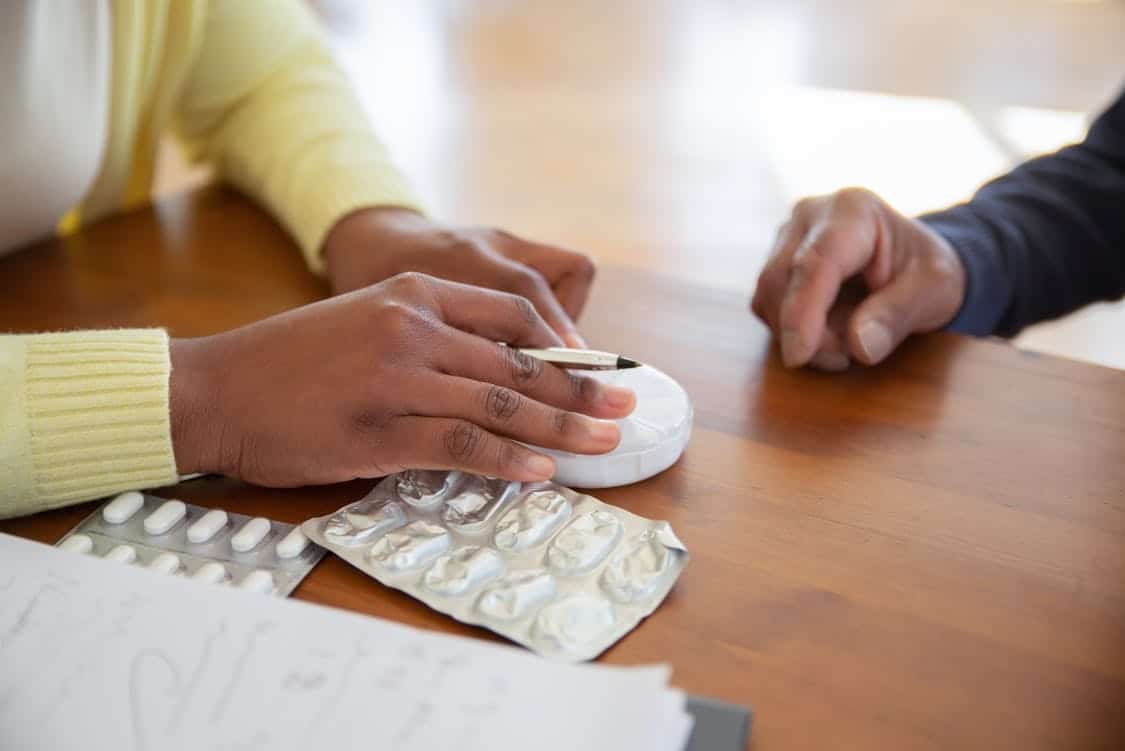
A written record that notes dose, time taken, and how you felt afterward is a powerful tool for safe medicine use, especially when pain changes day to day. Track both positive outcomes and any side effects you notice such as sleepiness, nausea, or mood shifts so the prescriber has clear data for adjustments.
Share the log at follow up appointments or during pharmacy consultations so decision making rests on concrete information rather than vague recollection. Use simple headings and short notes so the habit sticks and the page remains easy to scan.
If you take multiple medicines, include them on the same page with times and roles so interactions stand out and missing doses are easier to spot. A note about activities that provoked pain or eased it can help tailor future treatment and may reduce reliance on stronger medicines.
Pair the log with calendar alerts or a pill organizer to bridge memory gaps and lower accidental double dosing. Over weeks the record becomes a map of what works and what does not, saving time for both you and the care team.
4. Know Potential Side Effects And Interactions
Learn the common side effects tied to your pain medicine and what warning signs should prompt a call to a clinician, such as trouble breathing, fainting, severe rash, or sudden confusion. Some medicines make you sleepy or affect coordination so avoid driving, climbing ladders, or operating heavy tools until you know how the drug acts for you.
Ask the pharmacist about mixing over the counter cold remedies, sleep aids, or herbal products with your prescription because some combinations can be risky. If you drink alcohol, check how it interacts with your pain medicine since mixing can amplify sedation and increase risk.
It is also helpful to track digestion when using any new pain strategy, since some people wonder “do edibles make you constipated” and want to avoid discomfort while managing pain.
Tell every clinician you see about the pain medicine you are taking so they can prevent harmful combinations during other treatments or procedures. Surgical teams and dentists often need that information ahead of time to plan anesthesia and post procedure care.
If you notice a new symptom after starting a medicine, document timing and severity and bring those notes to your next visit. Clear reports from patients often speed safer changes and avoid unnecessary discontinuation.
5. Dispose Of Unused Medication Properly
Unused pills should not sit in a drawer where they can be found by others, and most communities offer medicine take back programs that accept expired and leftover prescriptions for safe disposal.
If a take back option is not available, the Food and Drug Administration recommends mixing tablets with an unappealing substance in a sealed bag before placing them in household trash to reduce the chance of retrieval.
Remove or black out personal information on empty bottles to protect privacy before recycling the container. Avoid flushing medicines down the toilet unless the label specifies that route, since fluids can affect water systems.
When a new prescription replaces an old one, clear out the older supply promptly so the current plan is the one that remains visible and in use. If family members or caregivers are involved, show them how you dispose and ask for help with take back errands when needed.
Schools, clinics, and law enforcement agents occasionally host collection events so keep an eye on local announcements and plan ahead. A clean household inventory cuts risks and gives everyone peace of mind.