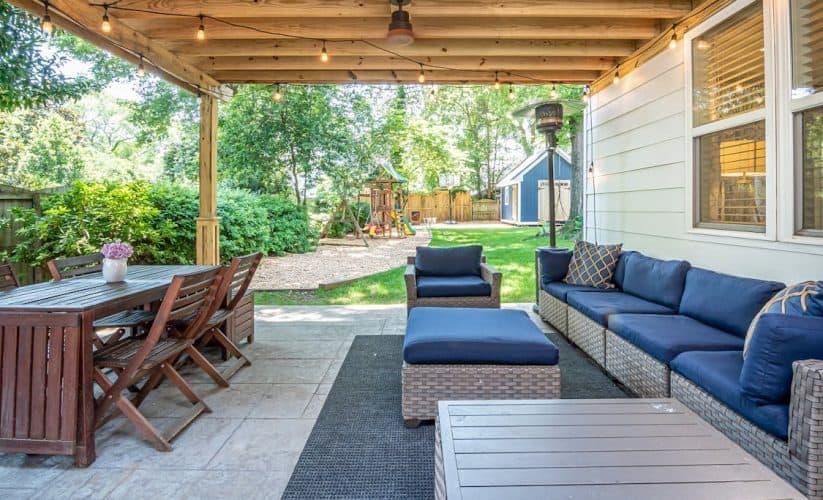
5 Creative Ways to Add Shade to Your Backyard Patio

Creating cool shelter on a sunny patio can turn a hot afternoon into a relaxed gathering spot where you and guests can linger for hours. A bit of shade makes outdoor furniture last longer and keeps that sun glare off screens and faces when you want to unwind.
There are clever options that balance function and style while fitting a range of budgets and skill levels. Below are five creative ways to add shade that let your backyard breathe easier and keep people comfortable.
1. Shade Sail Canopies
Shade sails are fabric panels anchored to posts or walls to form a sleek canopy that blocks direct sun. These sails come in triangles, squares, and odd shapes, so you can lay out coverage that matches a patio footprint and offers playful geometry.
The fabric tucks tight at anchor points to stay stable in a breeze, and UV treated cloth reduces fading and sun exposure for people and furnishings. With a few well placed posts and sturdy hardware the solution feels modern and light while giving broad shade.
Installation is a matter of planning anchor points and setting the right tension to prevent sagging and flapping. Varying heights creates visual drama and channels rain away while keeping the weight down on support posts.
Select fabrics that resist mildew and have a good UV protection rating so the sails last through seasons of sun and storms. Color choices let the sails read as a bold statement or a subtle cover that fades into the yard.
2. Retractable Awnings
Retractable awnings attach to a home and extend outward to cast a wide band of shade on demand, then stow neatly to expose sun when desired. Models range from manual cranks to motor driven units with sensors that fold the fabric when wind picks up, giving a blend of convenience and control.
Awnings protect windows from glare and heat gain while offering a tidy, space saving way to create broad shade near the house. Fabrics come in solid and striped patterns so you can coordinate the awning with shingles, siding or outdoor textiles.
When planning for an awning think about the pitch and extension to keep shade where you need it through afternoon hours. A slightly sloped setup sheds water away from seating and prevents pooling that can stress fabric.
Consider a frame finish that matches gutters and trim to make the installation feel integrated with the home. For the most user friendly setup pick a motor driven option with a remote or wired switch and a simple manual override for peace of mind.
3. Pergolas With Climbing Plants
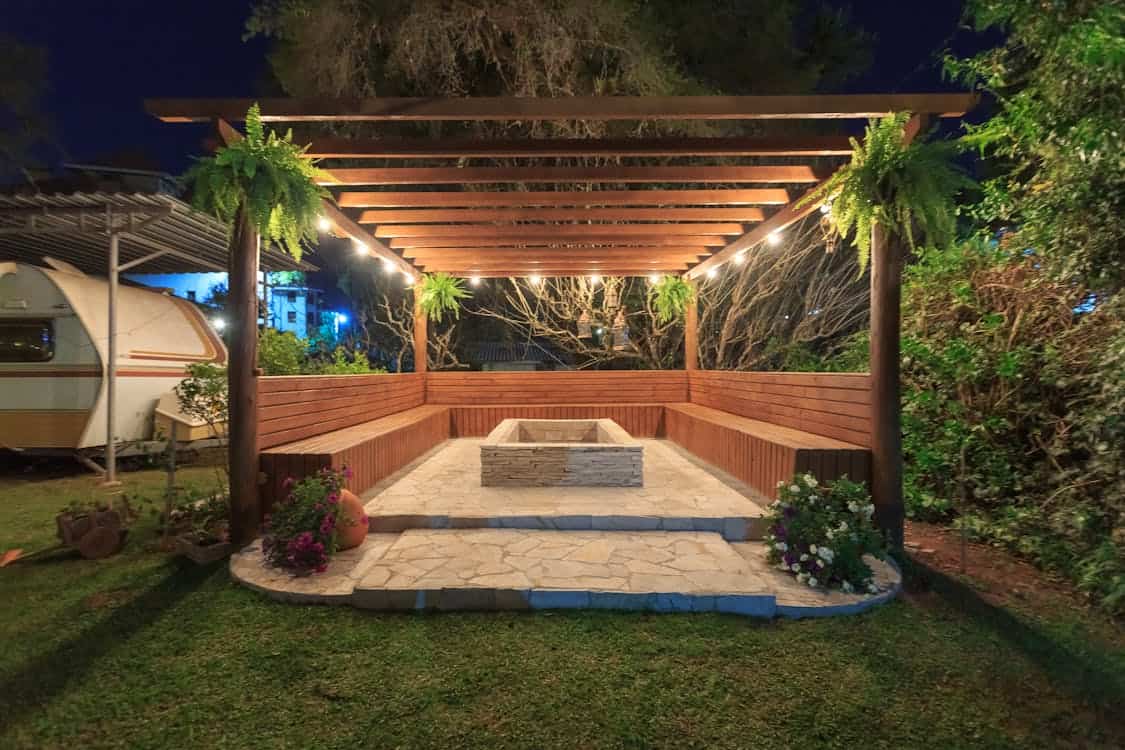
A pergola is a framed roof of beams that casts patterned shade and suggests an outdoor room without closing it in. Letting vines climb the beams turns the structure into a living canopy that cools air and soaks up sunlight before it reaches the patio.
When designing a pergola that will stand up to constant sun exposure, it’s wise to choose materials that can handle the heat so the structure remains sturdy and comfortable throughout the hottest months.
Leaf cover gives dappled shade that moves with the sun and creates a soft, private retreat under green foliage. Wooden pergolas age gracefully and pair well with string lights to keep evenings comfortable and inviting.
Plant selection matters when training vines to cover a pergola and add shade over time. Fast growers like grape or trumpet vine fill gaps quickly, while clematis brings seasonal color that lifts the eye.
Prune with an eye for airflow and light control so the canopy keeps shade where you want it without becoming dense and heavy. Adding a few hanging planters or a retractable fabric roof gives instant shade on days when the vine cover is thin.
4. Freestanding And Cantilever Umbrellas
Umbrellas are a classic portable option that lets a patio take shade with little fuss and near instant results. Central pole models are great for table areas while cantilever umbrellas lift shade over lounge sections with the pole out of the way for an uninterrupted footprint.
Quality umbrellas offer tilt and rotation features so a single shade source can follow the sun through the afternoon and keep people cool. With canvas and frame choices you can get a look from beach casual to sharp and modern.
Stability is key when using freestanding umbrellas on a patio that sees wind or heavy use from kids and pets. Select heavy bases or poured in place stands that anchor the pole and keep the umbrella steady without wobble.
Cluster a pair of units for wider coverage where one might leave dark gaps as the sun moves. Swap out covers for the season if you want a fresh palette or a lighter weight fabric for breezier summer days.
5. Outdoor Curtains And Lattice Screens
Outdoor curtains hung from a pergola beam or a simple rod turn a patio into a shaded nook that feels like an outdoor room with soft edges. Curtain panels block low angle sun while letting breezes pass through if you choose lighter fabrics, and they add instant privacy when you want it.
Paired with a lightweight frame the effect is cozy and theatrical, a touch that invites lingering with a book or a long dinner. Curtains also come down quickly so you can open the space up when the weather calls for more sky.
Lattice screens planted with vines provide a semi opaque shield that filters sunlight and creates a patterned shade that dances with the breeze. The panels are modular and easy to place where the sun hits hardest, and they act as support for climbers that thicken shade over time.
Use weather safe paints or stains to lengthen the life of wooden lattice and add a pop of contrast against brick or siding. A combined approach with curtains inside and lattice panels at the perimeter gives layered control and keeps the patio cool and sheltering without closing it off.