What Phoenix homeowners should check after the power comes back

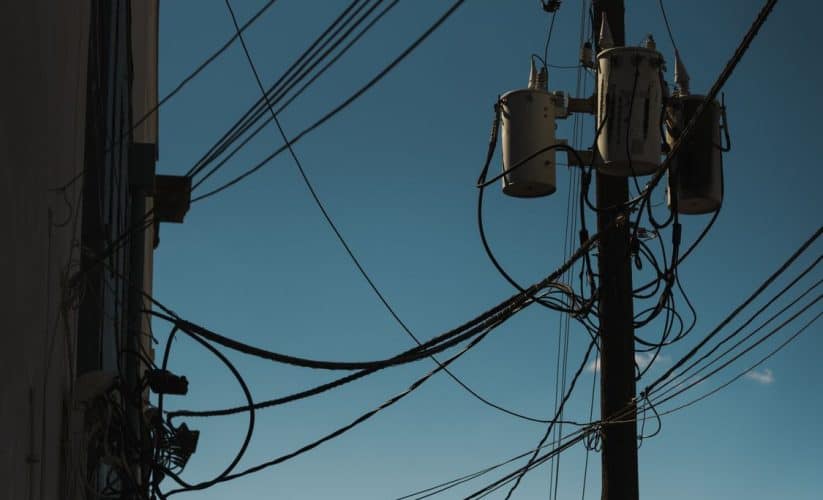
On August 9, winds ripped through the Phoenix metro hard enough to snap and topple power poles. A weather station in Buckeye clocked an 84 mph gust, and more than 50,000 APS and SRP customers lost electricity at the height of the storm.
The National Weather Service report on the August 9 storm documents the path through North Phoenix, Glendale and the West Valley, along with the extensive damage left behind.
For most homes, the story ended when utility crews restored service. Others came back online with one room dark, a breaker that wouldn’t hold or an outlet that suddenly smelled wrong.
Those are different problems.
Your neighbors have power, but you don’t
A neighborhood-wide outage belongs with the utility. Once the houses next door are lit and yours still isn’t, the problem may be closer to home.
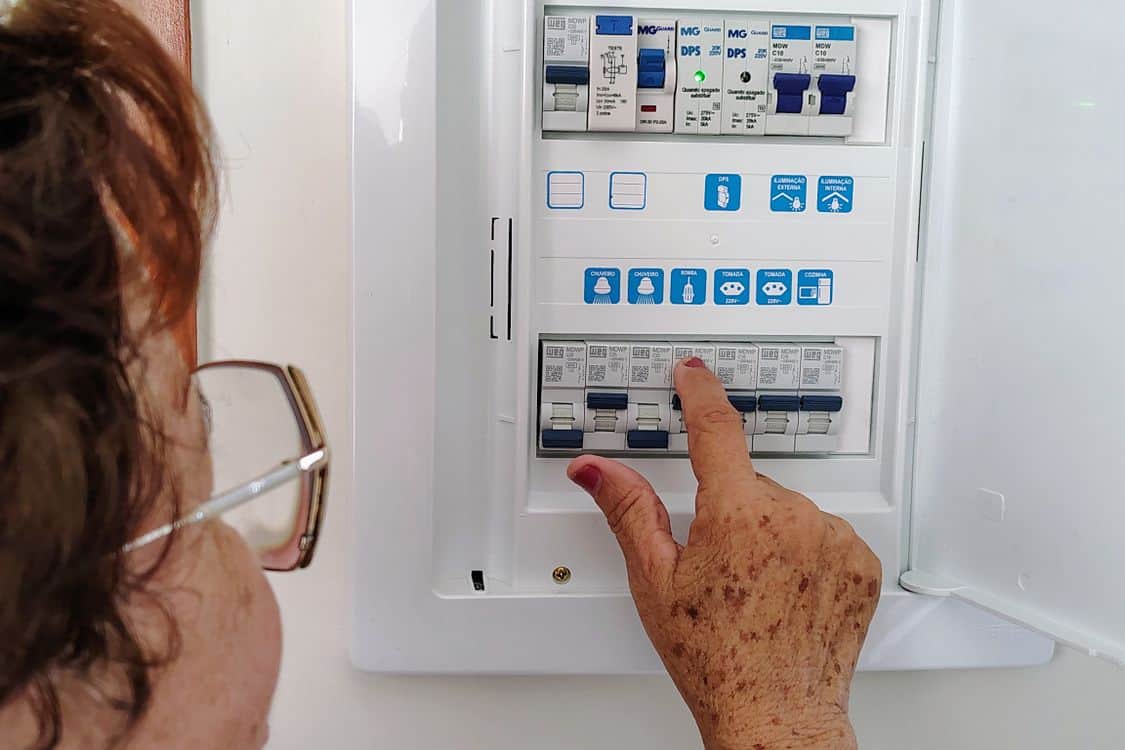
Start with the obvious. Check whether the main breaker or an individual circuit has tripped. Don’t stand there flipping the same breaker five times if it immediately opens again.
A breaker that trips, resets and stays on may have reacted to a temporary condition. One that opens as soon as a circuit is energized is telling you something is still wrong.
Partial power can be stranger.
Maybe the kitchen works but two bedrooms don’t. Maybe the lights are on downstairs while several upstairs outlets are dead. In some cases, a homeowner first notices because the air conditioner doesn’t restart even though the television does.
A utility outage can end while an electrical fault inside the property remains. Once neighboring homes have power again but yours is still completely or partially dark, an emergency electrician in the Phoenix, AZ metro area can help determine whether the problem is at the service equipment, panel or somewhere in the home’s wiring.
Look for what changed during the storm
High winds don’t need to send lightning directly through a house to cause electrical trouble.
Overhead service wiring can be pulled or damaged. Outdoor equipment takes rain and wind-driven debris. Water can enter places that normally stay dry. A branch striking a service line can put stress on equipment attached to the house.
Then there are existing problems that picked a bad night to finally show themselves.
A loose connection that had been heating for months may become obvious after power is interrupted and restored. An aging breaker might start opening under load. Outdoor wiring that was already damaged can fail after getting soaked.
The useful question after an outage isn’t simply whether the electricity returned.
It’s whether everything works the way it did beforehand.
A hot electrical smell isn’t something to watch for a few days
Burned insulation and overheated plastic have distinctive smells. If one shows up around an outlet, switch or electrical panel after a storm, don’t treat it like the odor from an appliance that’s been sitting unused.
Shut off the affected circuit if that can be done safely.
The same goes for visible smoke, a panel that feels unusually hot, buzzing that wasn’t there before or discoloration around an outlet.
Sparking deserves some judgment. A tiny flash inside a switch as its contacts operate is different from repeated visible arcing, smoke or sparks coming from a receptacle.
If you’re unsure which you’re seeing, don’t keep operating it to find out.
Water changes the equation
Monsoon damage can create a problem hours after the wind stops.
A roof leak may drip into a wall or ceiling containing electrical wiring. An exterior receptacle can take direct rain. Landscape and pool circuits sit in places where drainage matters.
Don’t handle wet electrical equipment while standing in water, and don’t assume something is safe because the breaker hasn’t tripped.
Electrical protection reacts to specific fault conditions. It isn’t a moisture detector for the entire building.
If water reached the electrical panel, service equipment or visibly damaged wiring, restoring power to it deserves more care than drying the outside with a towel.
Downed utility lines stay on the utility side
A wire lying across a driveway or yard isn’t a homeowner repair.
Stay away from it and keep other people back. The same applies to fencing, tree limbs, vehicles or other objects touching a downed line.
It doesn’t need to spark.
And don’t move a fallen line with a broom, piece of lumber or anything else that happens to be nearby. Utility crews have the equipment and procedures for that job.
The first ten minutes can expose the problem
Once normal power is back, walk through the property rather than assuming the illuminated porch light settled the issue.
Turn on lights. Check the major appliances that were running before the outage. Notice whether the AC restarts normally. Pay attention to breakers, GFCIs and any room that seems to be missing power.
Most houses will be fine.
If a breaker starts tripping, half the house stays dark or something near the panel smells burned, the storm may be over while the repair isn’t.