
How to Evaluate Silver Bullion for Investment Purposes

Silver bullion can play an important role in a balanced investment plan when judged with care and attention. Newcomers and seasoned buyers benefit from a clear set of checks that separate sound purchases from costly mistakes.
The path to a smart acquisition runs through market signals, the metal itself, storage realities and the channels used for resale.
Market Dynamics And Price Trends
Silver markets show brisk swings that reflect demand from industry, investors and collectors over time. Tracking recent price movement alongside long term charts offers a sense of momentum and common reversal points that traders watch closely.
Pay attention to volatility measures and how they compare to gold and other commodities to gauge relative risk and opportunity. It helps to note correlation patterns and seasonal pulses that repeat across multiple years.
Physical Characteristics And Purity
Silver bullion comes in a range of purity levels that drive value and acceptability at a dealer counter or auction. Look for official fineness stamps such as 999 or 9999 that signal nearly pure metal content and smoother resale.
Visual inspection for consistent surface finish and correct markings is a simple first test that often weeds out fakes. Small discrepancies in tone or lettering can tip off a more thorough assay test.
For buyers comparing trusted sources, Money Metals offers silver products with high purity levels and a wide selection suited to different investment goals.
Weight And Fineness Standards
Standard weights such as ounce pieces and kilo bars make pricing straightforward and reduce confusion when selling later. Verify that any stated weight matches a trusted scale reading and that the tolerances fall within mint specifications.
Fineness interacts with weight to determine actual silver content which underpins intrinsic value per piece. Familiarity with common standards shortens the time needed to spot anomalies in a mixed lot.
Recognized Mints And Brands
Names from long established mints earn trust from buyers because reputation and legal safeguards back their output. Collectors and traders often pay a small premium for bars and rounds that carry a reputable emblem and serial number.
Lesser known private issues still have a place, but they require stronger provenance or lower asking prices to compensate for extra resale friction. Brand trust can be the difference between a quick sale and a drawn out negotiation.
Spot Price And Premiums
The spot price serves as a baseline and retail quotes will almost always sit above that number to reflect production and distribution costs. Premiums vary by size, finish and current demand so the same metal can carry different tags depending on packaging and minting run.
Watch how premiums expand when the market tightens or when specific formats become scarce. A smart buyer knows when to pay a bit more for liquidity and when to seek bargains.
Condition And Storage
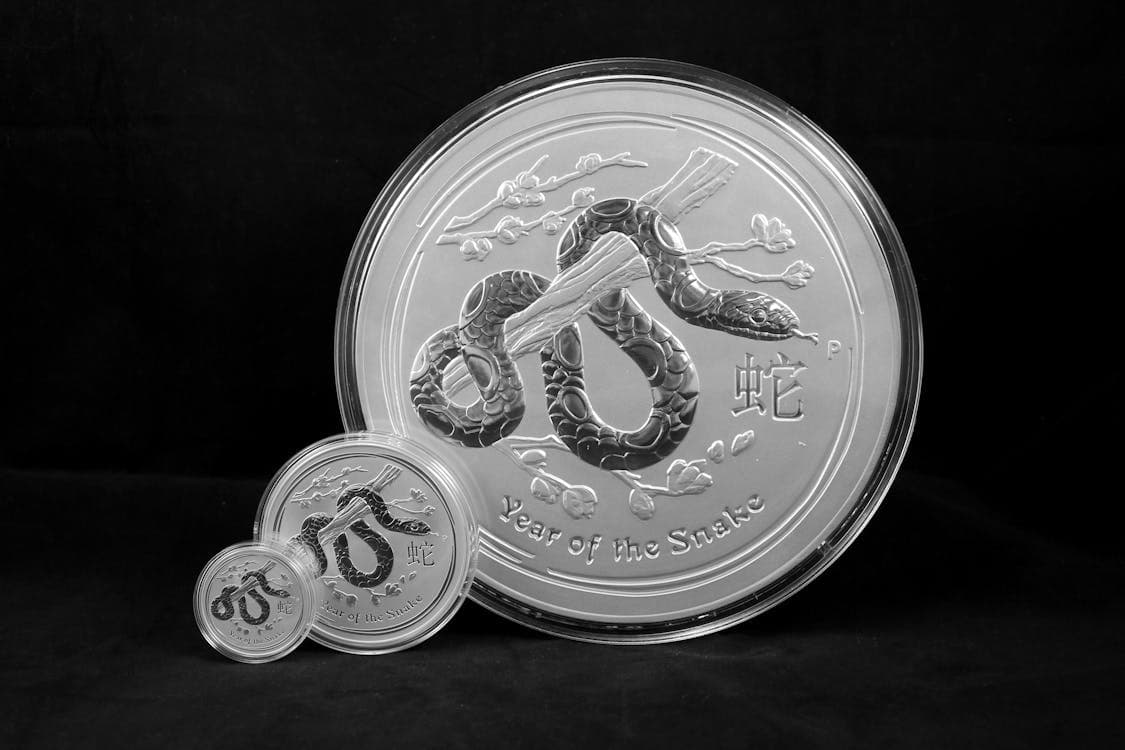
Condition is a practical attribute that affects resale value even for non collectible pieces, so handle bullion with care and store it in protective envelopes or capsules. Long term holdings benefit from climate stable storage that limits tarnish and physical abrasion on coins and bars.
Options range from a safe at home to segregated vaulting that involves professional custodians and insurance policies. Each storage route introduces its own cost and a different profile for access and security.
Authentication And Assay Methods
Basic tests such as magnet checks and measurement of dimensions can catch many oddities before more costly work is done. Advanced methods include X ray fluorescence readings and ultrasonic testing that reveal composition without heavy handling or damage.
Third party assay services add a certified layer that buyers often prefer when large sums are involved. A small upfront test fee can save a buyer from a major headache later on.
Taxation And Regulatory Issues
Rules vary widely by jurisdiction and they shape the net return on any precious metal holding over time. Some countries give favorable treatment for investment grade coins and bars while others apply standard sales or capital gains taxes to precious metal trades.
Keep paperwork such as receipts and assay certificates that support provenance and tax reporting needs when a sale is later executed. Missing a simple document can complicate a clean exit from a position.
Liquidity And Resale Channels
Liquid markets make it easier to turn metal back into cash with limited slippage and swift settlement times. Common resale venues include local dealers, online platforms and auction houses each of which carries a different fee structure and speed of execution.
Match the chosen channel to the size and form of the holding to avoid unnecessary costs that erode gains. A few trusted outlets can save time and reduce anxiety when the moment to sell arrives.
Portfolio Role And Risk Management
Silver holdings often act as a hedge against currency swings and market distress but they come with their own volatility and industrial demand swings. Allocate a share of assets to silver that reflects one tolerance for sudden price moves and the need for diversification across asset types.
Keep trade size modest enough that a single bad call will not unsettle broader financial plans. Rebalancing periodically preserves an intended risk profile while letting gains be locked in when prices move favorably.
Buying Strategy And Timing
Purchasing discipline beats impulse when markets spike and emotions run high among other investors chasing quick gains. Dollar cost averaging can smooth entry points while limit orders help capture specific price levels that match a buyer view.
Watch for points where short term panic and long term fundamentals part company and form a buying signal that feels sensible. A measured plan often outperforms frantic action over a long holding period.
Counterparty And Documentation Checks
Any purchase made through a dealer or platform should come with a clear receipt showing date, weight, fineness and price paid so future transactions remain transparent. Larger purchases may also benefit from a chain of custody record that traces movement from mint to final holder.
Evaluate the reputation of intermediaries and read basic reviews to confirm past clients had clean experiences. Paperwork makes a difference when disputes arise or when provenance determines sale outcome.