The Dollar-Per-Guest Program Quietly Reshaping Who Pays for Kona’s Snorkel Reefs

It is the kind of mechanism that sounds too modest to matter, and that is exactly why it is worth examining. Small, well-designed funding streams can do quiet, durable work that splashier efforts never sustain.
A Dollar That Adds Up Fast
The program, run by the state’s aquatic resources division, asks ocean-recreation operators to collect one dollar per guest and direct it toward marine conservation. A single dollar is trivial on the scale of a snorkel or dive trip. Multiplied across every person who books an ocean tour in Hawaii, it becomes something else entirely.
The first-year result tells the story. According to the U.S. Coral Reef Task Force, the program raised $2 million from more than 400 operators across six islands by the end of its first year after launching in January 2024. That money funds the unglamorous infrastructure of marine management, including things like the marine-debris reporting hotline and other ongoing conservation work that has no natural revenue source of its own.
What makes the figure striking is how it was reached. Two million dollars did not come from a single large grant or a controversial new tax. It came from a dollar at a time, contributed through hundreds of independent businesses, paid by the visitors those businesses serve. It is a model built on volume and participation rather than on any one heavy contribution, which is part of why it has a chance of lasting.
Shifting the Cost to the People Using the Reef
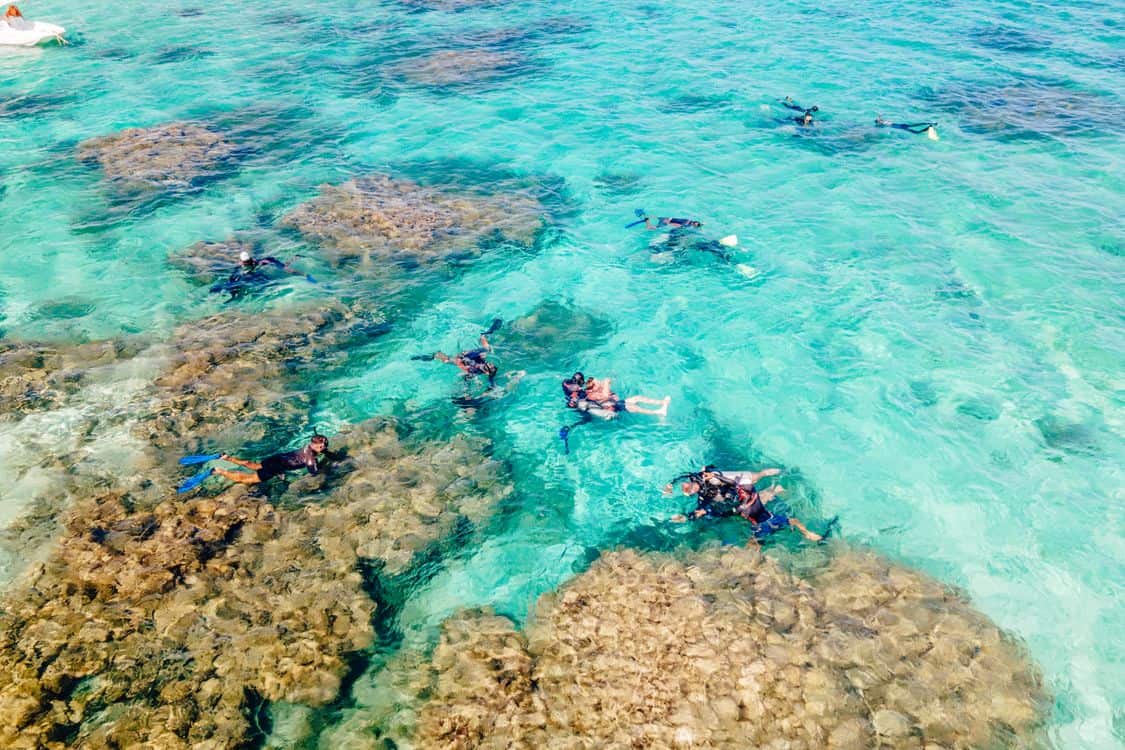
Underneath the mechanics is a quiet philosophical shift about who should pay to keep Hawaii’s reefs healthy. For decades the costs of reef management fell on the state and on conservation nonprofits, while the economic benefits of the reef flowed to the tourism industry and, indirectly, to every visitor who enjoyed a day in the water. The people generating the wear were not the people covering the upkeep.
The dollar-per-guest approach nudges that into better alignment. It connects the visitor who is enjoying the reef directly to the work of sustaining it, through the operator who took them out. The contribution is small enough that almost no one objects, and transparent enough that guests can understand what it is for. It reflects a growing sentiment among Hawaii residents that visitors should help fund the natural resources their trips depend on, rather than treating those resources as a free amenity.
This matters for how an operator positions itself, and for how a thoughtful traveler chooses one. A company that participates in the program, such as Manta Ray Night Snorkel Kona, is signaling that it sees the reef as something it has a stake in maintaining, not just a backdrop to sell tickets against. For a visitor who cares where their money goes, that participation is a meaningful and concrete signal, far more so than vague marketing language about being eco-friendly.
Why Small and Steady Beats Big and Brief
Conservation funding has a chronic weakness: it tends to arrive in bursts. A disaster prompts a wave of grants and donations, the money gets spent, attention moves on, and the slow ongoing work of management is left underfunded again until the next crisis. Reefs do not need crisis-driven spurts. They need steady, predictable support for the patient, year-round labor of monitoring, responding, and protecting.
A per-guest contribution is structurally suited to that need. As long as people keep visiting and operators keep participating, the funding keeps flowing, smoothing out the boom-and-bust cycle that undermines so much environmental work. It does not depend on a single donor’s mood or a legislative session’s priorities. It tracks the activity it is meant to offset, scaling naturally with the number of people putting pressure on the reef.
It is also replicable and easy to understand, which matters for staying power. There is nothing exotic about adding a dollar to a transaction and routing it to conservation. Other places can copy it. Other operators can join. The barrier to participation is low, which is precisely what lets it grow.
The program will not single-handedly save Hawaii’s reefs, and no one involved pretends otherwise. Ocean warming, land-based pollution, and the sheer volume of visitors are forces a dollar cannot touch. But the question of who pays to manage a shared natural resource is a real one, and a quiet answer has emerged: the people enjoying it, a dollar at a time, through the operators who take them out. For a problem that has gone unsolved for decades, that is no small thing.