Why Ignoring Missing Teeth Can Cost You More Later

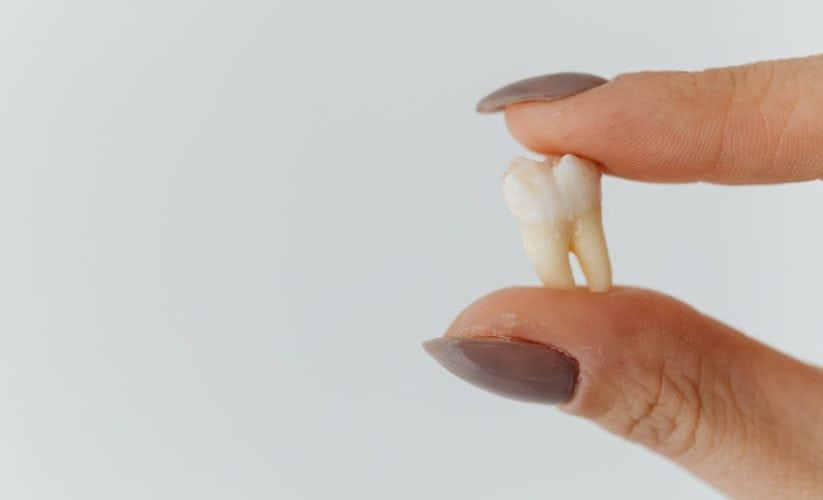
A gap in your smile may seem like a small issue that can wait until a weekend appointment fits into a busy life. Yet a single absent tooth can set off a chain reaction that affects chewing, speech, bone health, and the look of your face in ways that are not always obvious at first glance.
Many people put off fixing a missing tooth because of time or money, and that delay often leads to treatments that are deeper and pricier than what was needed at the start. Recognizing early warning signs and acting before problems compound keeps options open and budgets steadier.
The Immediate Oral Consequences
When a tooth goes missing the mouth does not remain neutral for long. Neighboring teeth can lean into the empty space, creating gaps and uneven contact points that were not there before.
Those new contacts change how forces move across the dental arch when you chew which can wear enamel faster on some teeth and cause unexpected sensitivity. Small shifts can also trap food in ways that are harder to clean which raises the risk of decay and inflammation.
Jawbone Loss And Facial Changes
Bone in the jaw responds to use and stimulation, and an absent tooth means the local bone gets less stimulation. Over time that leads to resorption meaning the bone shrinks and loses volume in the area that once supported the tooth.
Loss of bone changes the shape of the jaw and the support for soft tissues so cheeks or lips can appear flatter and older than they should. Rebuilding lost bone later requires grafting procedures that add time discomfort and cost.
Tooth Movement And Bite Problems
Teeth do not stay still once the balance of the bite shifts. A neighboring tooth that tilts into an open space alters the alignment of opposing teeth which can cause the bite to become uneven.
Such malocclusion creates pressure points that some teeth cannot tolerate which leads to cracks chips or premature wear. Restoring harmony in the bite often needs orthodontic work or more extensive restorative dentistry which a timely replacement could have avoided.
Speech And Chewing Difficulties
Missing teeth can change how air and tongue interact which affects speech clarity for some sounds and words. Eating comfort is altered too because chewing efficiency is reduced and certain foods that were once easy to handle become frustrating to cut grind or chew.
Over time people adapt by favoring one side of the mouth which increases wear and strain on that side and can trigger muscle pain or jaw joint troubles. Addressing speech and chewing problems after patterns have set in requires therapy appliances or restorative procedures that go beyond a simple replacement.
Increased Risk Of Gum Disease And Decay
An open gap is a magnet for food debris and plaque which makes cleaning more difficult and creates a breeding ground for bacteria. Without regular cleaning attention the tissue around adjacent teeth becomes vulnerable to gum inflammation and pocket formation.
Those pockets invite deeper bacterial invasion that can undermine periodontal support for otherwise healthy teeth. Advanced gum disease often needs extensive treatment and maintenance that costs far more than early restoration or basic preventive visits.
The Financial Angle Of Delayed Care
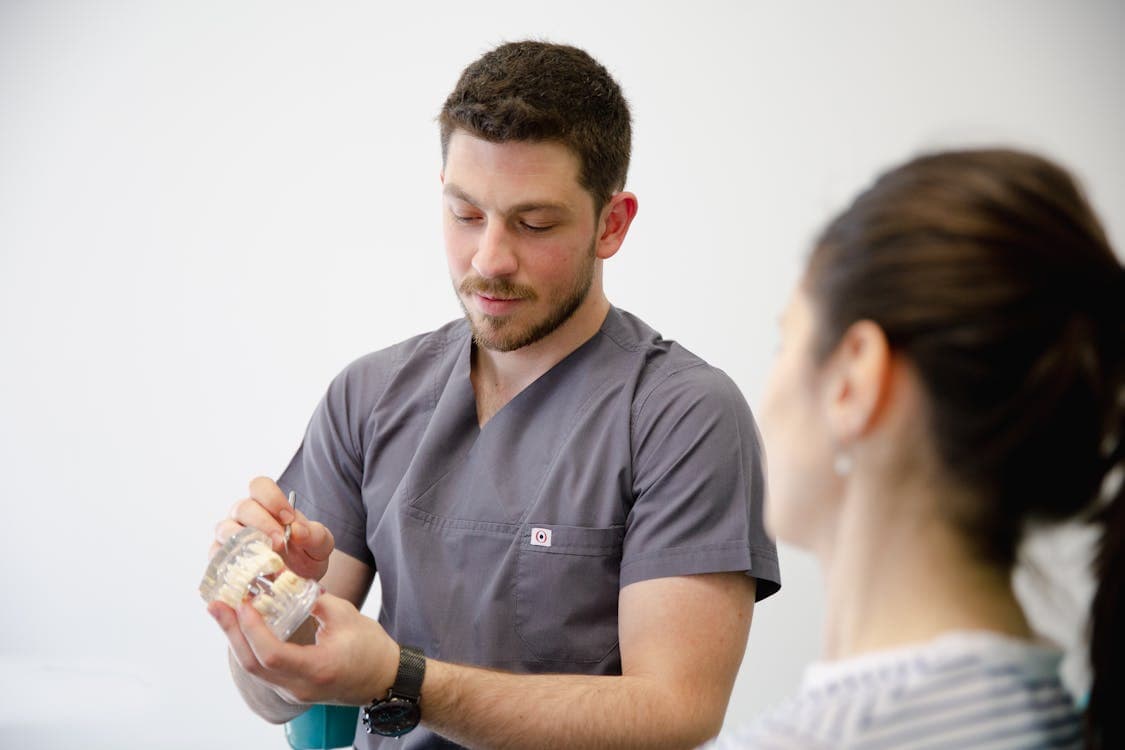
A small fix today often costs far less than a complex fix tomorrow and dental care follows this rule in many cases. When a missing tooth is left untreated new problems multiply and the required interventions add up quickly leaving a larger bill and more appointments on the horizon.
Insurance plans sometimes cover replacement options better when treatment occurs sooner which can ease out of pocket spending and reduce long term financial strain. Planning a timely solution keeps choices open and avoids expensive catch up work.
Replacement Options And Their Trade Offs
There are several ways to replace a missing tooth and each comes with pros cons and a cost profile that fits different needs. A fixed bridge replaces the missing tooth by anchoring to adjacent teeth which offers quick restoration of appearance and function but requires altering healthy tooth structure.
An implant preserves adjacent teeth and stimulates the jawbone but needs surgery healing time and an upfront investment that can be spread across time or financing plans.
If you’re exploring comprehensive solutions, extensive dental care and treatment options are available to address not just the missing tooth, but also to ensure long-term health and stability of your entire dental system. A removable denture can be less costly at the outset but may not provide the same comfort stability or long term support for surrounding tissue.
Timing Matters For Treatment Success
Acting early preserves the anatomy that supports the tooth and makes restorative choices easier and more predictable. When the socket is fresh immediate options include grafting and implant placement that follow natural healing pathways which improves outcomes.
Waiting long enough for bone and gum to change complicates planning and may force a sequence of preparatory procedures that increase overall time and expense. Quick action does not always mean rushed decision making; it means addressing the issue while options remain straightforward.
Psychological And Social Consequences
A missing tooth can carry a heavier weight than physical facts alone suggest because smiles influence first impressions and self image. People often hide their mouths or avoid social settings when they feel self conscious which affects connections at work and in private life.
That withdrawal can make everyday interactions more stressful and sometimes leads to lowered mood or confidence that takes effort to rebuild. Replacing a missing tooth can restore not only function but also the ease of smiling and speaking without second thoughts.
Practical Steps To Take Now
Make an appointment with a dental clinician for an assessment and imaging to map out an evidence based plan that fits your timeline and budget. Ask about immediate stabilizing options while you evaluate longer term solutions so you are not left with an open gap that invites collateral problems.
Keep up with good oral hygiene and routine professional cleanings which reduce the chance that the situation will worsen while you decide. Act in a timely fashion and you will often keep more choices available and avoid treatments that grow ever more involved.